
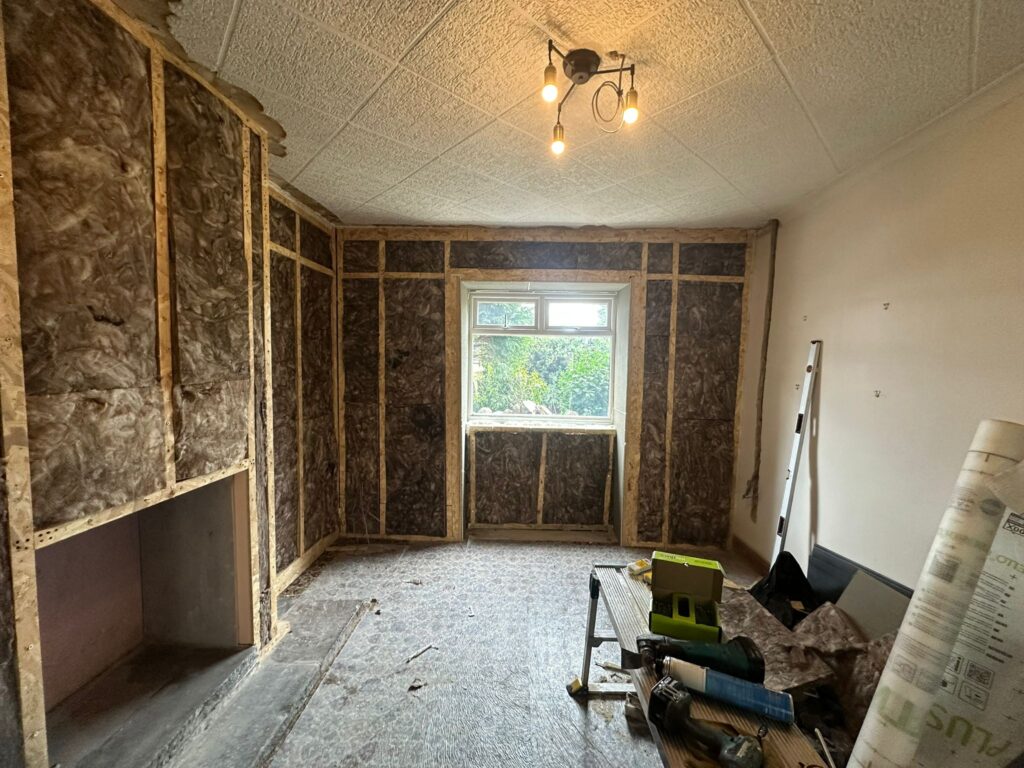
Are you a homeowner in Lancashire or Cumbria looking to make your home more energy-efficient? If so, internal wall insulation might be the solution you’ve been searching for. In this blog post, we’ll explore the benefits, types, and installation process of internal wall insulation, keeping it conversational and relatable. Let’s dive in!
What is Internal Wall Insulation?
Internal wall insulation is a method of improving your home’s thermal performance by adding insulation to the interior walls. This process helps to reduce heat loss, making your home warmer and more comfortable during those chilly Lancashire and Cumbria winters.
Why Consider Internal Wall Insulation?
- Energy Efficiency: By reducing heat loss, internal wall insulation can significantly lower your energy bills. This is especially relevant for homeowners in the North West, where heating costs can be high.
- Comfort: A well-insulated home maintains a more consistent temperature, meaning you can enjoy a cosy environment all year round.
- Environmental Impact: Lowering your energy consumption not only saves you money but also reduces your carbon footprint, contributing to a more sustainable future.
- Increased Property Value: Homes with energy-efficient upgrades tend to attract more buyers and can command higher prices.
Types of Internal Wall Insulation
When it comes to internal wall insulation, there are several options available, and understanding these can help you make the best choice for your home.
1. Rigid Insulation Boards
Rigid insulation boards are a popular choice due to their high thermal performance. These boards are typically made from materials such as polystyrene or polyurethane and can be fixed directly to your walls.
Pros:
- High insulation value.
- Easy to install.
Cons:
- It can slightly reduce the room’s space.
2. Mineral Wool Insulation
Mineral wool is a flexible insulation material that can be fitted between battens or studs. It’s known for its soundproofing and thermal resistance.
Pros:
- Excellent sound insulation.
- Fire-resistant.
Cons:
- Requires careful handling to avoid irritation.
3. Foam Insulation
Foam insulation is sprayed onto the wall and expands to fill gaps. This method provides a seamless insulation layer that minimises thermal bridging.
Pros:
- Effective for irregular surfaces.
- Excellent air sealing properties.
Cons:
- Higher initial cost.
Installation Process
Installing internal wall insulation may seem daunting, but with the right guidance, it can be straightforward. Here’s a step-by-step overview:
Step 1: Assess Your Walls
Before you start, assess the condition of your walls. Look for dampness, cracks, or other issues that need addressing.
Step 2: Choose Your Insulation Material
Based on the pros and cons listed above, decide which insulation type suits your needs best.
Step 3: Prepare the Area
Clear the area of furniture and cover the floors to protect them from dust and debris.
Step 4: Installation
If using rigid boards, cut them to size and fit them securely to your walls. For mineral wool, place it between battens before covering with plasterboard. If using foam, ensure it’s evenly applied.
Step 5: Finishing Touches
Once the insulation is in place, finish the walls with plaster or paint as desired.
Maintenance Tips
To ensure your internal wall insulation remains effective, consider these maintenance tips:
- Check for Dampness: Regularly inspect your walls for any signs of moisture or damp.
- Ventilation: Ensure your home is adequately ventilated to prevent condensation.
- Monitor Energy Bills: Keep an eye on your energy bills to track any changes in efficiency.
FAQs
1. How much does internal wall insulation cost?
The cost can vary depending on the size of your home and the type of insulation chosen. On average, homeowners can expect to pay between £800 and £1,500 for a typical installation, up to £ 2,500 for larger spaces.
2. Will internal wall insulation reduce my room size?
Yes, depending on the type of insulation, you may lose some space. Rigid boards, for example, will take up more space than other options.
3. Can I install internal wall insulation myself?
While DIY installation is possible, it’s often best to hire professionals like Wise Energy Solutions to ensure the job is done correctly and safely.
4. Is internal wall insulation suitable for all types of homes?
It’s suitable for most homes, but it’s crucial to assess your property’s specific needs, especially if you have a listed building or unique architectural features.
5. How long does the installation take?
Installation typically takes 1-3 days, depending on the size of the area being insulated. Internal wall insulation offers homeowners in Lancashire and Cumbria the opportunity to enhance their home’s energy efficiency while enjoying a warmer, more comfortable living space. With various options and professional help from Wise Energy Solutions in Blackpool, you can make informed decisions that benefit both your wallet and the environment.